For most homeowners, locks are about privacy, routine security, and peace of mind. A deadbolt that turns smoothly and keeps the door shut is usually considered “good enough.” Firefighters, however, view locks through a completely different lens—one defined by urgency, access, and life safety. In an emergency, a lock is not just a security feature; it is a potential obstacle between responders and someone who may be trapped, unconscious, or in immediate danger. This difference in perspective explains why firefighters often care far more about lock types than the people who install them.
Seconds Matter More Than Security Ratings
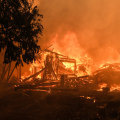
When firefighters arrive at a burning home or a medical emergency behind a locked door, every second matters. While homeowners often focus on how resistant a lock is to break-ins, firefighters focus on how quickly it can be defeated without causing unnecessary damage or delay. Certain high-security locks, reinforced strike plates, and multi-point locking systems can significantly slow forced entry. From a homeowner’s standpoint, that resistance is a benefit. From a firefighter’s standpoint, it can mean precious time lost while smoke spreads or a patient’s condition worsens.
Forced Entry Is a Skill, Not Guesswork
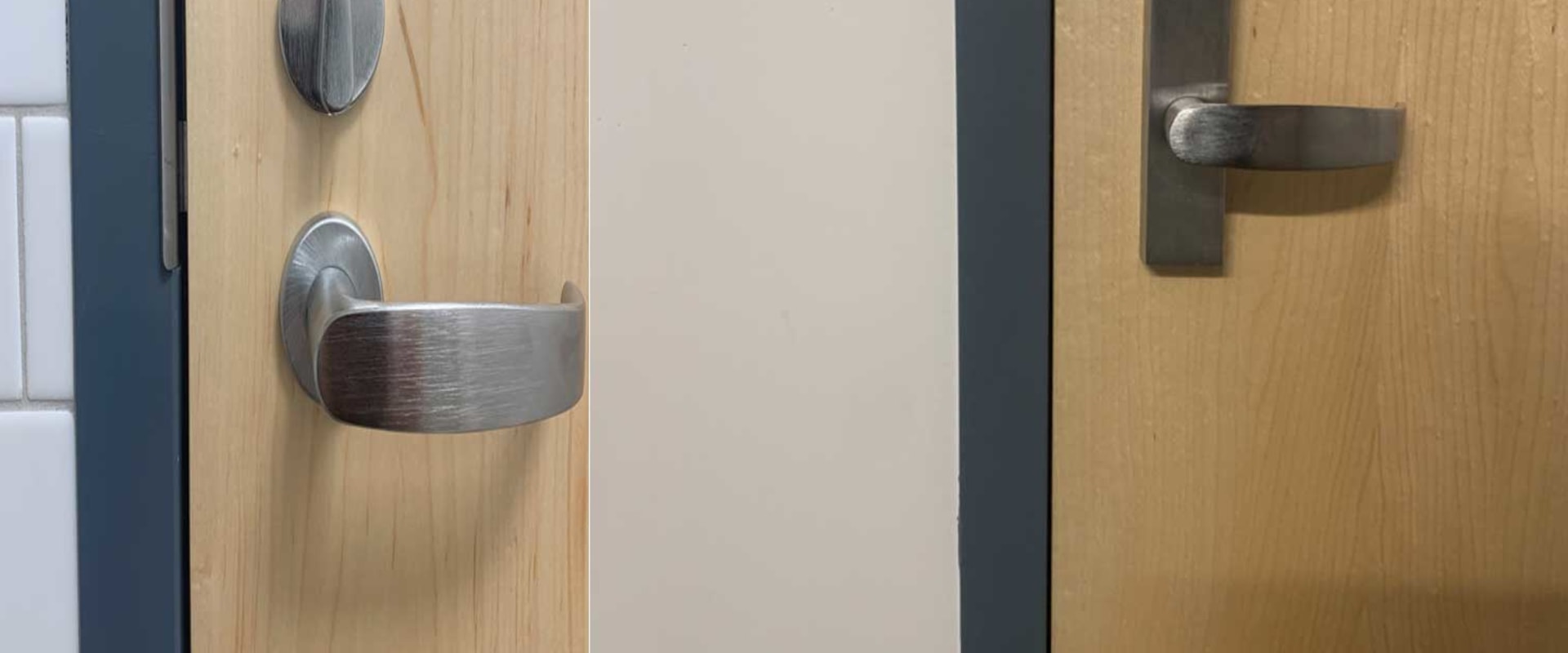
Firefighters are trained extensively in forced-entry techniques, and those techniques vary depending on the type of lock and door construction. A basic knob lock or standard deadbolt can often be breached quickly using conventional tools. More complex locks—especially those designed to resist drilling, prying, or bumping—require different tools and more force. This is why firefighters pay close attention to lock trends in residential construction. As more homeowners upgrade to advanced locking systems, responders must adapt their methods and equipment accordingly, sometimes consulting with professionals such as a mobile locksmith in Modesto, CA to better understand evolving lock technologies.
Electronic and Smart Locks Add Complexity
Smart locks introduce an entirely new layer of concern for emergency responders. While homeowners appreciate keyless entry, remote access, and app-based control, firefighters must contend with unfamiliar mechanisms during high-stress situations. Batteries may be dead, keypads unresponsive due to heat or water, and manual overrides difficult to locate. In some cases, electronic locks delay entry because responders must first determine whether a mechanical bypass exists or if brute force is the only option. Homeowners may never think about how their smart lock behaves during a fire, but firefighters must plan for that exact scenario.
Damage Control Versus Rapid Access
Another reason firefighters scrutinize lock types is the balance between rapid access and minimizing property damage. Contrary to popular belief, firefighters prefer not to destroy doors if it can be avoided. Breaking a door or cutting through reinforced hardware takes time and can compromise structural integrity. Certain lock types allow for faster, cleaner entry, while others almost guarantee significant damage. Firefighters evaluate locks not just on how fast they can be defeated, but on how much collateral damage they create during entry.
Occupant Safety and Secondary Hazards
Lock types also affect occupant safety beyond the initial entry. Interior locks, barred doors, and double-cylinder deadbolts can trap residents or block escape routes. Firefighters are acutely aware of these risks because they encounter them firsthand. A lock that seems harmless in daily life can become deadly in an emergency if it prevents quick evacuation or delays rescue. Homeowners may prioritize aesthetics or perceived security, while firefighters prioritize survivability.
A Perspective Shaped by Experience
Ultimately, firefighters care more about lock types because they see the consequences when access is delayed. Their perspective is shaped by real emergencies, not theoretical risks. While homeowners focus on keeping threats out, firefighters focus on getting in—fast, safely, and effectively. Understanding this difference can help homeowners make more informed choices, balancing security with accessibility in ways that protect both property and lives.